X-Type Folding Container House
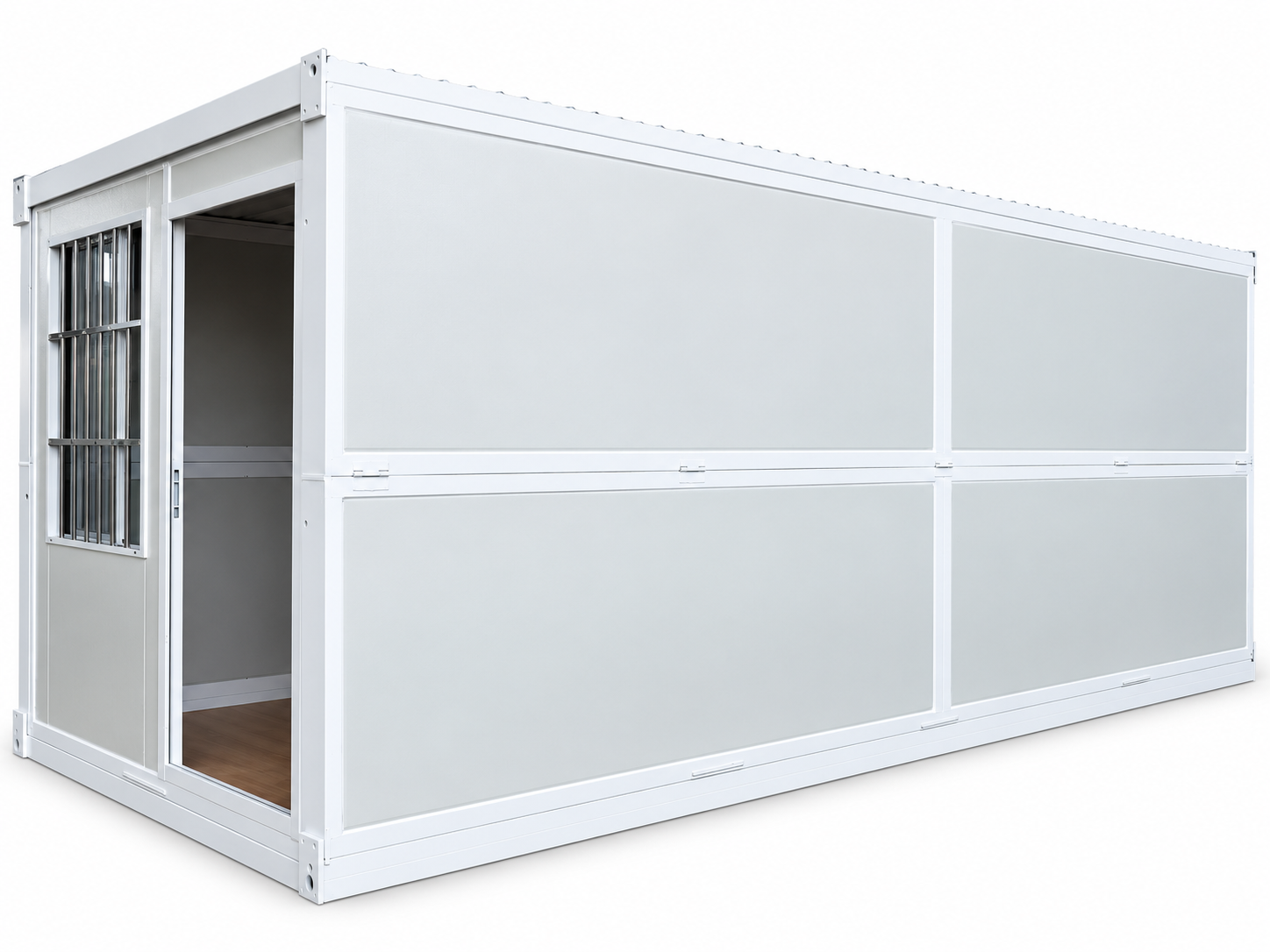
A separate folding-house structure shown with a real white exterior product reference. Request the exact structural drawing, folded dimensions and installation procedure for the selected model.
VIEW X-TYPE PRODUCT ↗Compare X-type and Z-type folding container houses, then review the structure, deployment sequence and project requirements before requesting the exact model specification.
Use the filters to compare X-Type and Z-Type references. Bathroom, kitchen and final dimensions still require confirmation against the exact model datasheet.
Do not treat every folding house as the same model. Structure, folded form, installation sequence and finished configuration should be confirmed for the exact product.
A separate folding-house structure shown with a real white exterior product reference. Request the exact structural drawing, folded dimensions and installation procedure for the selected model.
VIEW X-TYPE PRODUCT ↗
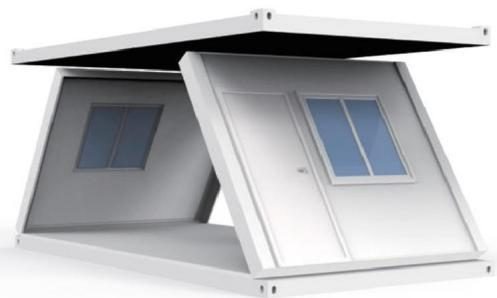
Z-type folding-house references show a compact transport form and a distinct opening structure. Use the dedicated product page to review the available technical and installation references.
VIEW Z-TYPE PRODUCT ↗DeepBlue’s foldable page uses Fold / Foldout and Package Size as core buyer information. For HT Containers, those dimensions should only be published after the exact X-type or Z-type datasheet is confirmed.
Confirm the folded dimensions, unit weight, loading method and lifting points for the exact model.
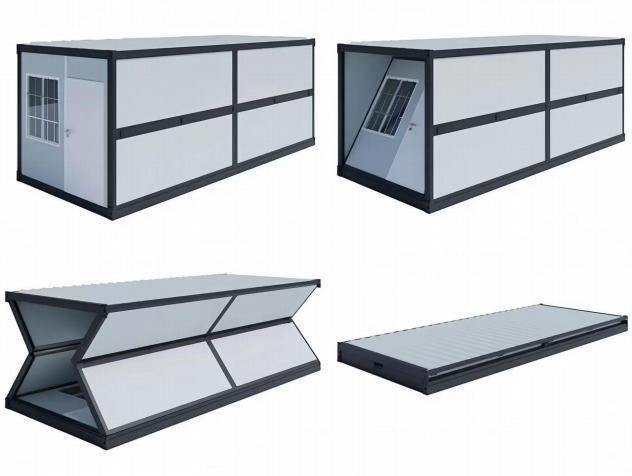
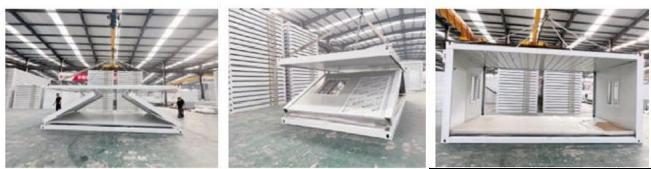
Review the opening order, hinge movement, locking points and equipment required on site.
Check leveling, weather sealing, doors, windows, electrical connections and any sanitary services before use.
The folding mechanism is only one part of the building. Buyers should review the frame, roof and wall joints, locking components, openings and maintenance points for the exact model.
Before comparing quotations, request the same set of technical information from each offered model.
Request folded L × W × H, unit weight, container loading quantity and lifting requirements.
Confirm the deployed dimensions and usable interior after the folding structure is fully opened and locked.
Review structural steel, wall and roof panels, insulation core and joint sealing for the intended climate.
Confirm foundation, unloading, opening equipment, manpower and the documented installation sequence.
Folding units are most useful where transport efficiency and planned site deployment are important. Exact suitability depends on occupancy, climate, local codes and service requirements.
Plan occupancy, beds, ventilation, sanitary access and unit spacing before bulk purchase.
Review desk layout, power, lighting, doors, windows and the daily movement of site personnel.
Coordinate transport, lifting, foundations, services and repeated deployment requirements.
“Folding container house” is a category, not one universal specification. The frame movement, folded package, opening sequence and compatible interior scope must be tied to the exact model.


X-type and Z-type products can differ materially, so the quotation should be tied to a specific drawing and datasheet.
They are separate folding structures. Compare the structural drawing, folded form, opening sequence and final dimensions for the exact model rather than assuming the same specification.
Dimensions vary by model. Request the exact X-type or Z-type datasheet with folded and deployed measurements before planning shipping or foundations.
Installation depends on the product structure, site access, equipment and foundation. Use the model-specific installation procedure rather than a generic time estimate.
Potential reuse depends on the selected product and handling method. Ask for inspection, refolding and maintenance guidance for the exact model.
Share the intended use, quantity, destination and site conditions. We can then review the relevant folding model and the technical data needed for your project.